
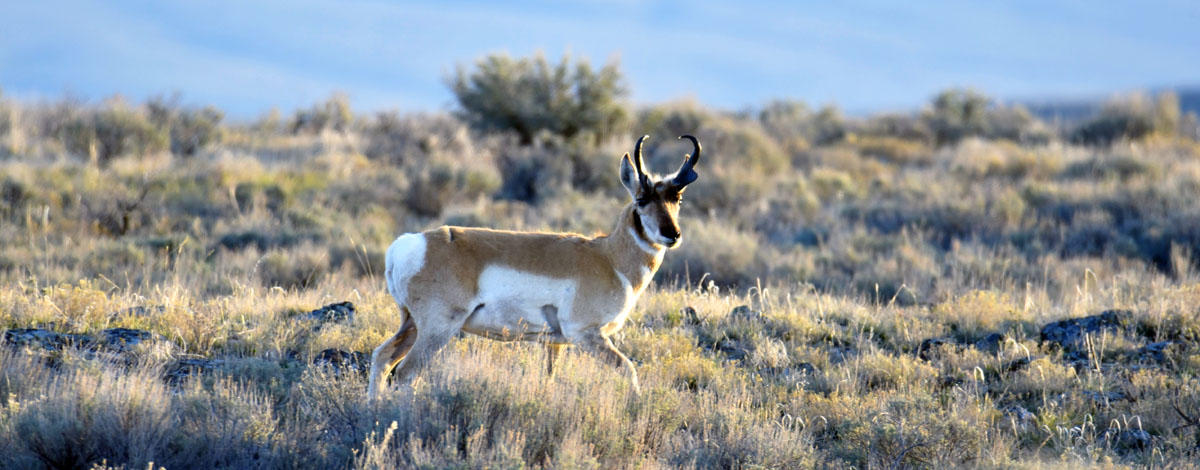
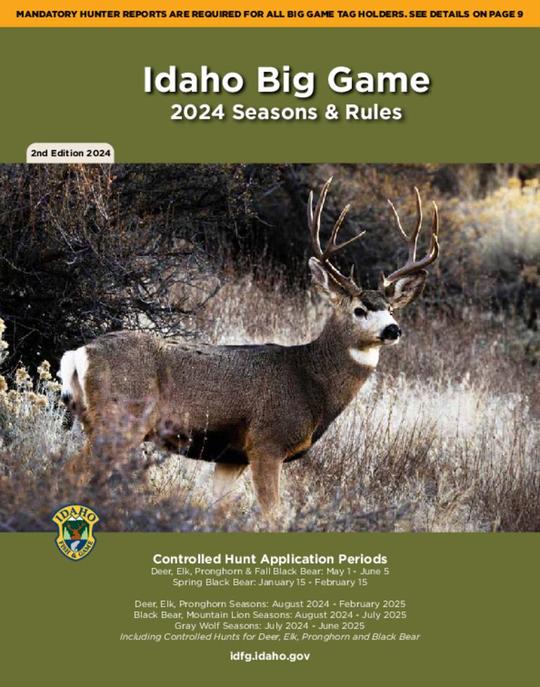
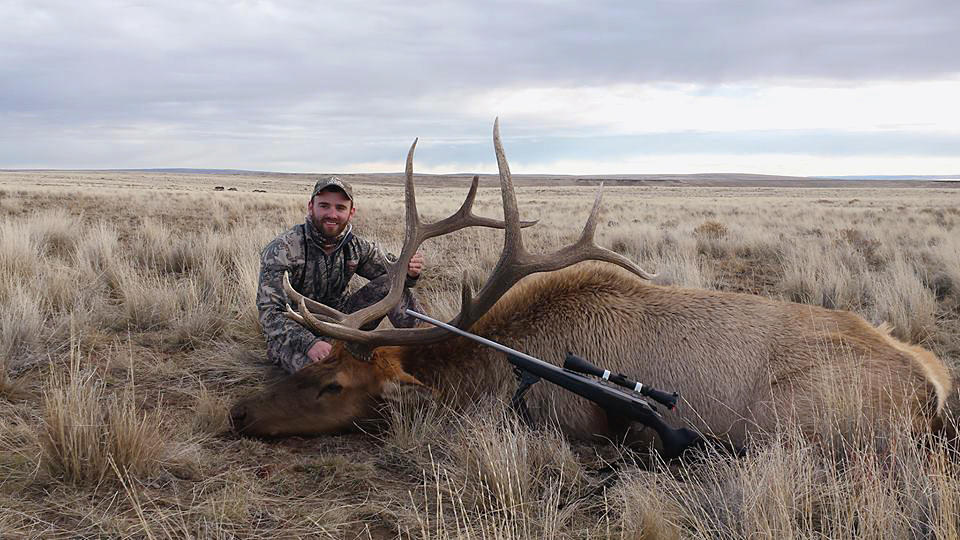
Controlled hunt application period for deer, elk, pronghorn, swan, and fall black bear and turkey runs May 1 through June 5
Friday, April 26, 2024 - 10:56 AM MDTThe application period for fall 2024 deer, elk, pronghorn, swan, fall black bear, and fall turkey controlled hunts begins May 1 and runs through June 5. All applicants will receive an email with their draw results by early July if there’s a valid email in their license account. Hunters can also apply for the first Super Hunt drawing through May 31.
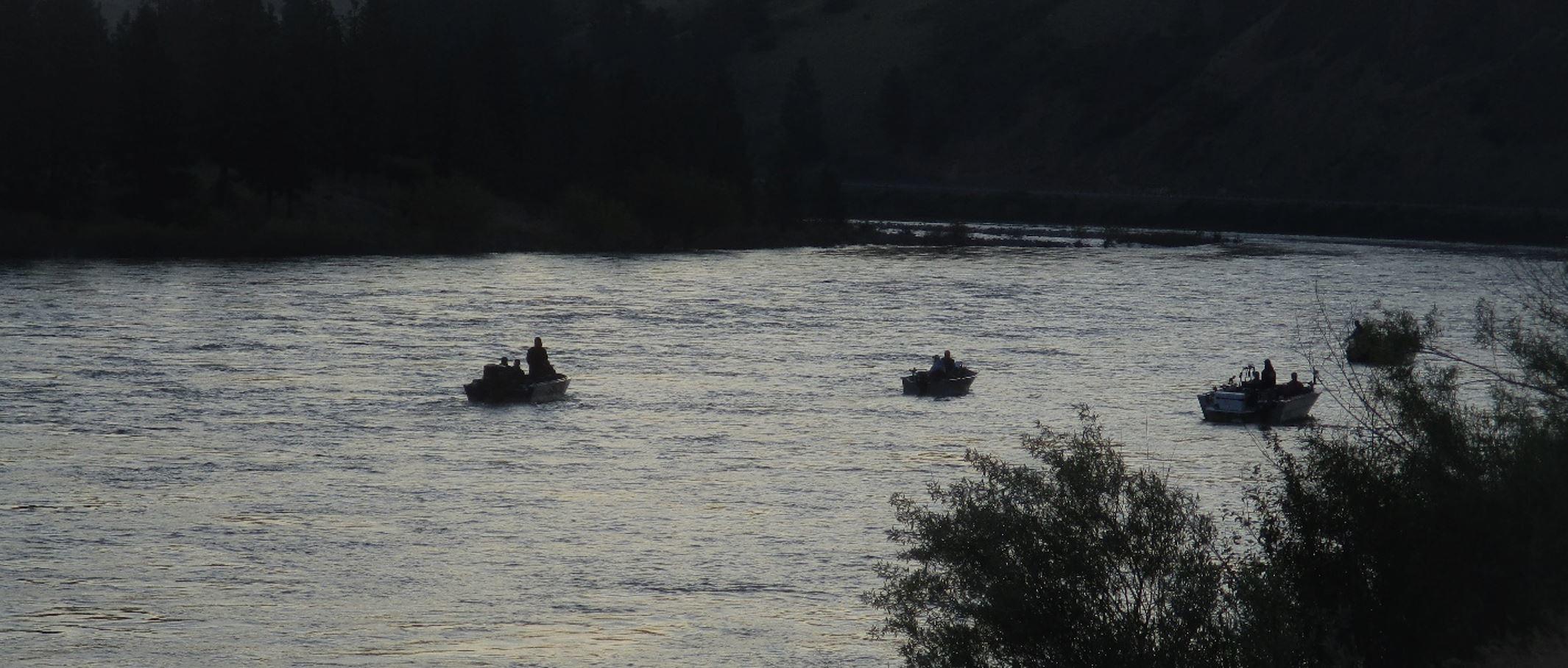
Spring Chinook Salmon Fishing Update 4/25/2024: Rapid River Run, Hells Canyon, and Clearwater River Fisheries
Thursday, April 25, 2024 - 5:28 PM MDT
May trout stocking schedule for the Salmon Region
Thursday, April 25, 2024 - 3:30 PM MDTAnglers will have approximately 3,200 freshly stocked rainbow trout to catch at area fishing holes in May.
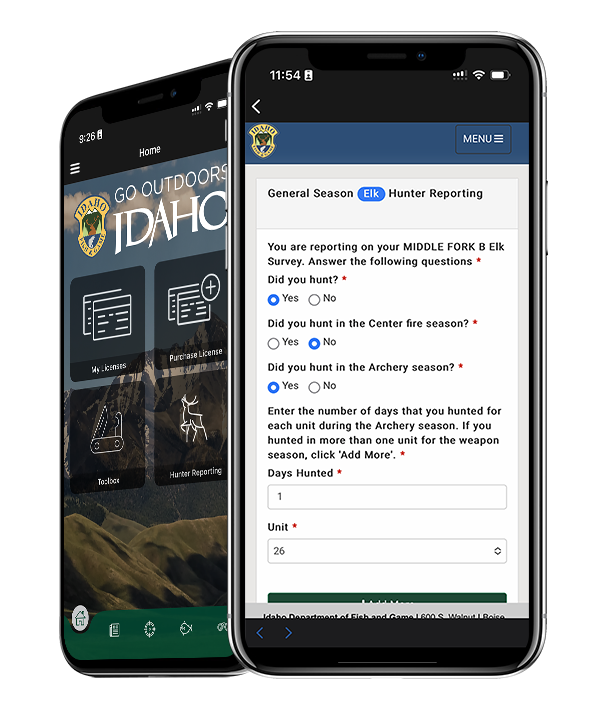
Clearwater wildlife blog series: Installment #2- How harvest statistics are used
Thursday, April 25, 2024 - 11:37 AM MDTHave you wondered why it's so important to fill out your hunter harvest report every year? Well, in this second installment of the Clearwater white-tail blog, Kenny Randall explains how hunter harvest report data is used for managing white-tails in the Clearwater. Check out the video and write-up to learn more!
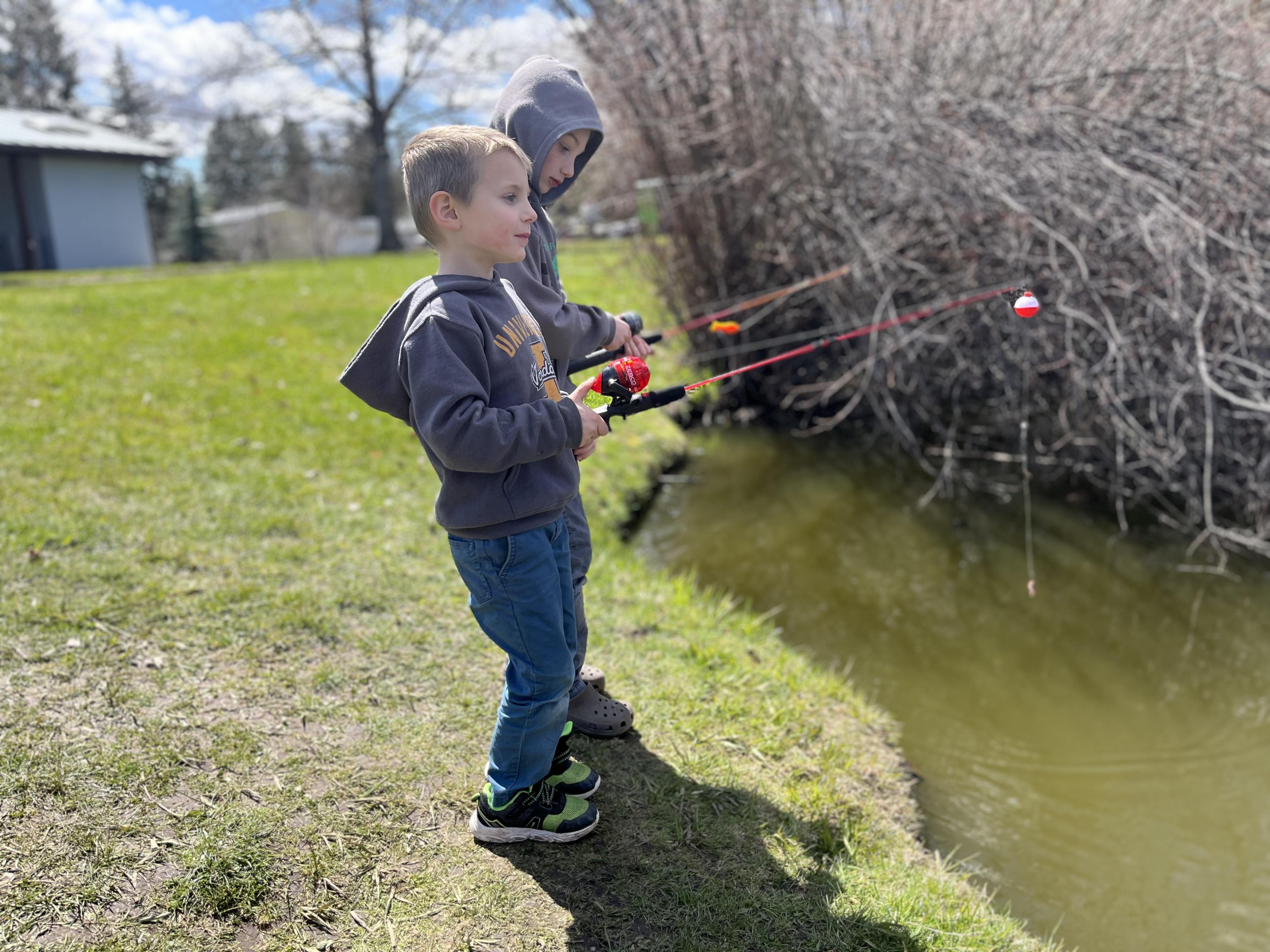
Kid's Fishing Day at Hordemann Pond in Moscow on April 27
Wednesday, April 24, 2024 - 5:49 PM MDTJoin us for the annual Kiwanis Kid's Fishing Day held from 9 a.m. to noon on Saturday, April 27 at Moscow's Hordemann Pond. Staff will be on hand to help young anglers, and Idaho Fish and Game's new fishing trailer will be stocked with rods and reels available for loan on a first-come, first-served basis.
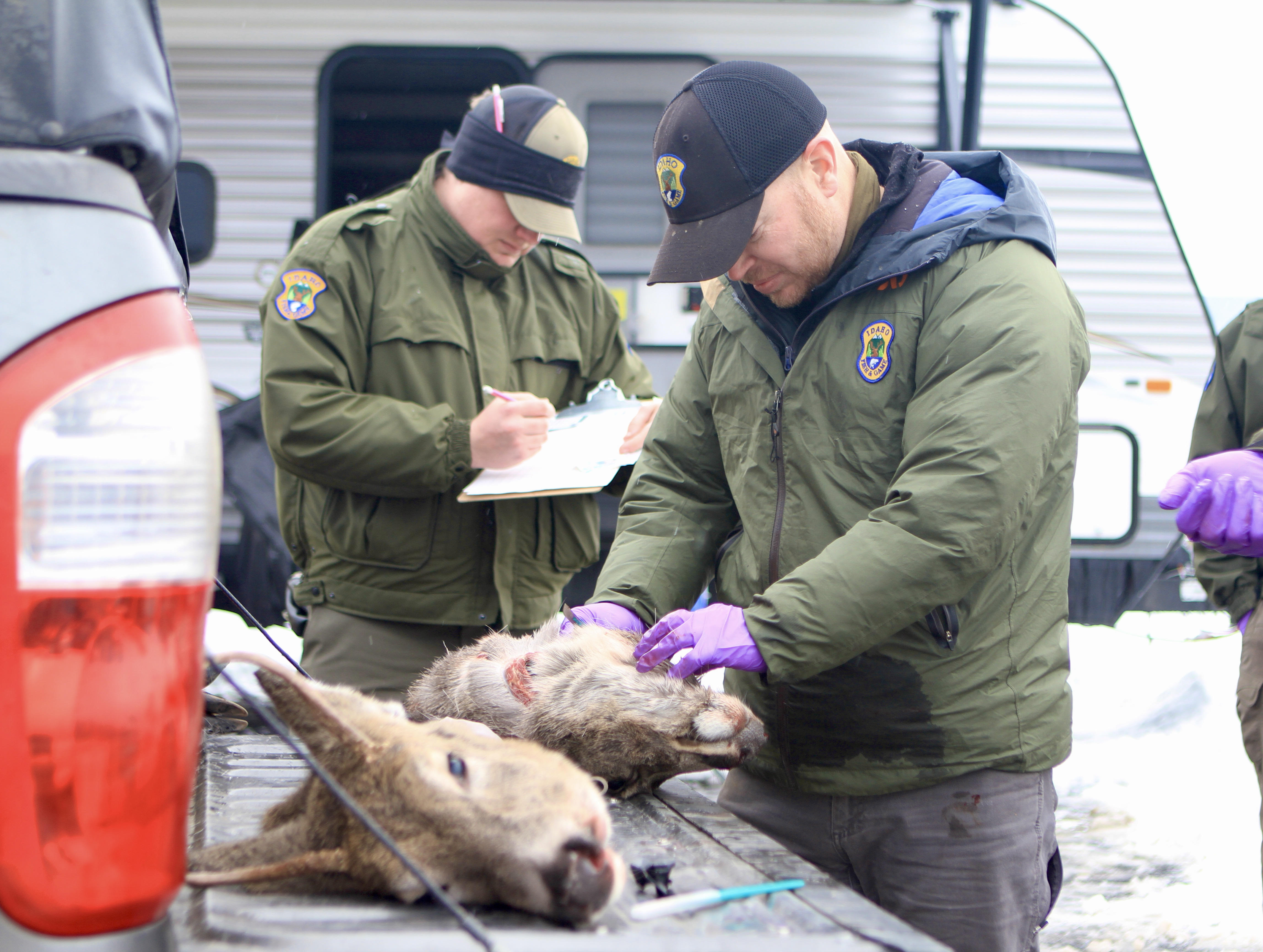
Attention hunters, changes to chronic wasting disease management could affect your hunt
Wednesday, April 24, 2024 - 4:46 PM MDTThere are additional mandatory testing requirements for several hunting units in Central Idaho near the U.S. 95/Highway 55 corridors south of Grangeville in response to a positive CWD case in the area in the area last fall.

Mild winter means deer fawn and elk calf survival looks good as we enter spring
Wednesday, April 24, 2024 - 3:02 PM MDTStatewide winter survival for mule deer fawns and elk calves fitted with tracking collars has shown to be slightly higher than average through the end of March. By the end of February, 92% of the collared fawns and 95% of the collared calves were still alive, and here's how that compares with recent years.
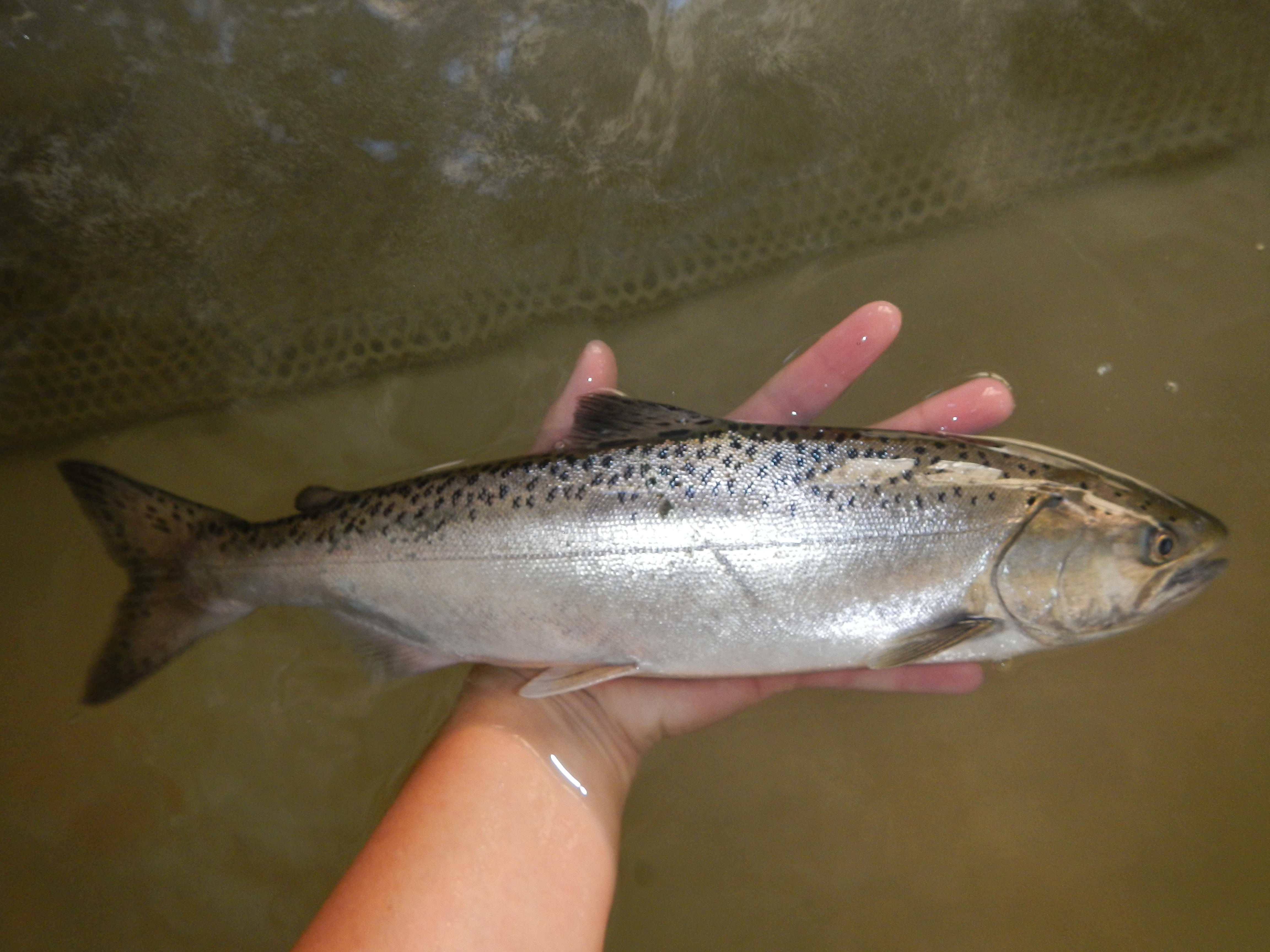
Do you know jack? Take this salmon quiz
Wednesday, April 24, 2024 - 1:49 PM MDTIdaho fishing regulations distinguish between “jacks” and "adult" salmon. But what is a jack exactly. and why are they treated differently? There's a lot of interesting information about jacks and why they're an important part of each year's Chinook run.
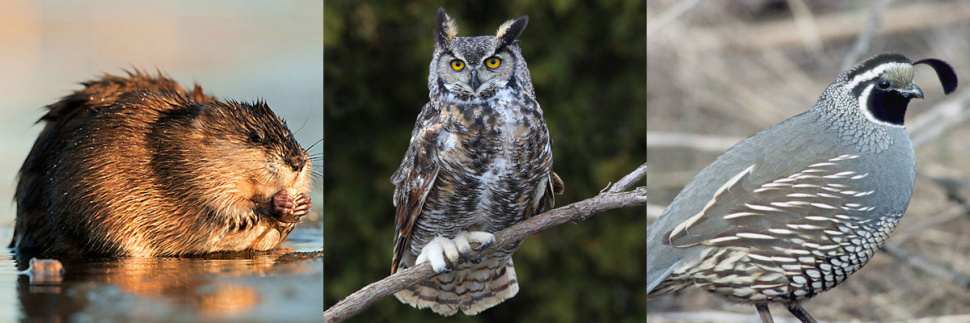
Idaho Species Catalog
Explore wildlife in Idaho. Report sightings of wildlife and roadkill.
Browse species